Warm Edge Spacer vs Standard Spacer — Why It Matters
When choosing new windows, homeowners often focus on frame material or glazing type. Few realize that one of the most important components of an insulated glass unit (IGU) is the spacer. Spacers determine energy efficiency, condensation control, comfort, and long-term durability. There are two main types: standard aluminum spacers and warm edge spacers. Although small, this component dramatically influences window performance, especially in cold climates like Canada.
1. What Is a Spacer?
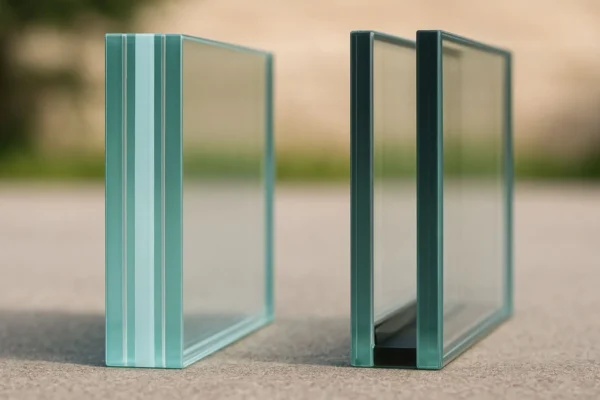
A spacer separates glass panes in an IGU, seals the edges, maintains the insulating gap, and keeps gas inside. It runs around the perimeter of the glass and forms the edge of the unit—the area most vulnerable to heat loss.
2. Standard Aluminum Spacers
Aluminum spacers are strong, lightweight, and inexpensive, but aluminum conducts heat extremely well. This leads to cold glass edges, condensation, and reduced insulation performance.
3. Warm Edge Spacers
Warm edge spacers are made from low-conductivity materials like stainless steel, foam, composites, or hybrid polymer systems. They significantly reduce heat transfer, maintain higher interior glass temperatures, and prevent condensation.
4. Thermal Performance Comparison
Aluminum transfers heat quickly, creating a cold perimeter. Warm edge spacers reduce thermal bridging and can raise interior glass-edge temperatures by 3–8°C, improving comfort and energy efficiency.
5. Condensation Control
Condensation forms when warm indoor air meets cold surfaces. Standard spacers create cold glass edges that attract moisture. Warm edge spacers keep edges warmer, reducing the risk of mold, water damage, and fogging.
6. Energy Efficiency
Warm edge spacers lower heating and cooling costs by reducing heat transfer through the perimeter of the IGU. They help homes meet ENERGY STAR®, Passive House, and modern efficiency standards.
7. IGU Longevity
Aluminum spacers expand and contract significantly, stressing seals and shortening IGU lifespan. Warm edge systems expand less, maintain gas retention longer, and increase durability.
8. Comfort Differences
Windows with aluminum spacers feel colder, especially in winter. Warm edge systems reduce drafts, cold radiation, and temperature differences, improving comfort near large openings.
9. Soundproofing Benefits
Warm edge spacers reduce vibration transfer, improving overall acoustic performance—especially in laminated and triple-glazed systems.
10. Aesthetic and Structural Advantages
Warm edge spacers offer a cleaner, modern appearance with dark, non-reflective edges. Structurally, they better support large IGUs common in modern aluminum windows.
11. Types of Warm Edge Spacers
Options include stainless steel, polymer composite, foam, and hybrid designs. Hybrid composite spacers often deliver the best combination of strength and thermal efficiency.
12. Cost Considerations
Warm edge spacers cost slightly more but offer major long-term savings through reduced energy bills, longer IGU life, and fewer condensation issues.
13. Where Warm Edge Spacers Matter Most
They are essential in cold climates, homes with large windows, triple-glazed systems, Passive House builds, and areas prone to condensation.
14. Final Recommendation
Warm edge spacers significantly outperform aluminum spacers in every category: comfort, efficiency, condensation resistance, durability, and aesthetics. For modern windows—especially triple-glazed aluminum systems—they are the only smart choice.
Let’s work together to create something that’s not just made — but made for you.
Contact us today for expert advice, custom configurations, or a free quote.