Steel Windows for Interior Design: Partitions, Doors, and Zoning
In modern interior design, the focus has shifted from closed, isolated rooms to open, light-filled spaces. At the same time, people still need privacy, functionality, and clear zoning. This is where steel windows and steel-framed interior systems become one of the most powerful design tools.
Interior steel windows, partitions, and doors allow designers and homeowners to divide space without blocking light, create structure without heaviness, and add a strong architectural character that does not age over time.
This article explores how steel windows are used inside interiors, where they work best, and why they are considered both a design and long-term value investment.
Why Steel Works So Well Indoors
Steel was originally used in industrial buildings for purely functional reasons. Today, it is chosen for interiors because of its unique combination of strength, slimness, and aesthetics.
Key reasons steel is ideal for interior use:
Unlike aluminum or glass-only systems, steel provides clear visual lines and strong proportions, which are essential for high-quality interior design.
Interior Steel Partitions: Light Without Compromise
The Problem with Traditional Partitions
Classic interior partitions (drywall, wood panels, solid walls) create separation but:
In modern homes and offices, this often works against the desired openness.
Steel Glass Partitions as a Solution
Steel-framed glass partitions solve this problem elegantly:
These partitions are ideal for:
They create clear boundaries without visual isolation.
Interior Steel Doors: Functional Architecture
Interior steel doors are more than just doors. They act as architectural elements.
Types of Interior Steel Doors
Because steel is so strong, door frames can remain very slim, even for tall or wide openings.
Why Designers Prefer Steel Doors
Steel doors feel intentional and permanent, unlike many interior door systems that are treated as replaceable elements.
Zoning Spaces Without Losing Openness
Modern interiors often require flexible zoning:
Steel windows and partitions allow you to:
This makes them perfect for:
Zoning with steel is not about closing spaces—it’s about organizing them intelligently.
Steel Windows in Residential Interiors
Homes and Apartments
In residential interiors, steel systems are often used to:
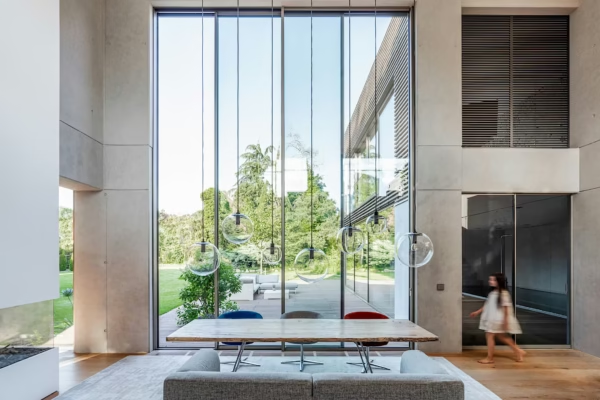
Steel interior windows can replace solid walls, making even small apartments feel larger and brighter.
Lofts and Open Spaces
Loft interiors are where steel truly shines:
In lofts, steel partitions often become the main design feature, not just a functional element.
Steel Systems for Offices and Commercial Interiors
In offices, steel-framed glass partitions are increasingly popular because they:
Steel systems also perform well in:
They combine transparency with authority and structure.
Cold Steel Systems: Perfect for Interiors
One major advantage of interior steel windows is that they do not require thermal insulation.
This allows the use of:
Because there is no need for thermal breaks, interior steel systems can achieve proportions that are impossible in exterior windows.
Design Flexibility and Customization
Steel interior windows are highly customizable.
Layout Options
Finishes and Colors
Glass Options
This flexibility allows steel systems to fit both minimalist and expressive interiors.
Durability and Long-Term Value
Interior steel windows are built to last:
Unlike drywall partitions or wooden elements, steel systems often outlive several interior redesigns. This makes them a smart long-term investment, not just a design choice.
Common Mistakes to Avoid
When planning interior steel windows or partitions, avoid:
Proper design and installation are essential to achieve the intended effect.
Steel Windows as Interior Architecture
One of the biggest advantages of steel systems is that they blur the line between:
Steel windows become part of the architecture of the interior, not just an accessory.
They add:
Few interior elements achieve this balance so naturally.
Conclusion: Light, Structure, and Timeless Design
Steel windows for interiors offer a rare combination:
Whether used as partitions, doors, or zoning elements, steel systems create spaces that feel open, organized, and architecturally complete.
They are not a short-term trend. They are a long-term design decision that continues to add value, character, and functionality year after year.
Let’s work together to create something that’s not just made — but made for you.
Contact us today for expert advice, custom configurations, or a free quote.