Why European Wooden Windows Outperform Local Alternatives in Canada
When homeowners in Canada begin researching new windows, they are often presented with a limited choice: standard vinyl (PVC) windows, aluminum systems, or locally manufactured “wood-style” products. At first glance, many of these options appear similar. However, once you move beyond surface-level comparisons and examine engineering, materials, longevity, and performance in cold climates, a clear distinction emerges. European wooden windows consistently outperform most local alternatives—not because of marketing, but because of how and why they are built.
As a window specialist, I often explain to clients that the difference between European and North American windows is not about fashion or trends. It is about philosophy, standards, and long-term thinking.
Different Design Philosophy: Cost vs Performance
Most North American windows are designed primarily to meet minimum building code requirements at the lowest possible cost. The market is dominated by large-scale production focused on speed, price competition, and standardization. Windows are treated as consumable building components, often expected to be replaced within 15–25 years.
European wooden windows are designed with a completely different mindset. In Europe, windows are considered part of the building envelope and are expected to last for decades. Regulations are stricter, energy standards are higher, and consumers demand long-term durability. As a result, European manufacturers design windows for performance first, cost second.
This philosophical difference is the foundation of everything that follows.
Superior Materials: Engineered Wood, Not Solid Timber
One of the most common misconceptions among Canadian homeowners is that wooden windows are made from solid wood planks. That may have been true decades ago, but modern European wooden windows use engineered laminated timber.
Instead of a single piece of wood, frames are made from multiple layers of kiln-dried wood, laminated together with grains oriented in opposite directions. This process dramatically increases dimensional stability and minimizes the risk of warping, twisting, or cracking—especially important in Canada’s extreme freeze–thaw cycles.
Local “wood” windows often use simplified constructions or hybrid materials that look similar but do not perform the same way long term.
Precision Manufacturing and Tight Tolerances
European window factories operate with significantly tighter tolerances than most North American plants. Precision CNC machinery, automated quality control, and multi-stage inspection processes are standard.
Why does this matter? Because precision directly affects:
A well-built European wooden window closes with consistent pressure around the entire perimeter. This ensures reliable sealing even after years of use. In contrast, many local windows rely heavily on foam insulation and sealants to compensate for looser manufacturing tolerances.
Hardware: The Hidden Difference Clients Don’t See
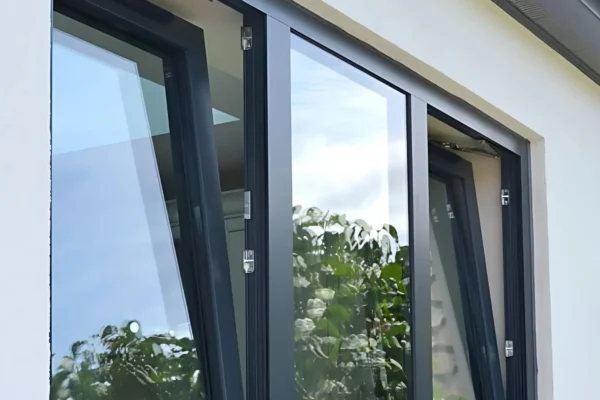
One of the most overlooked but critical differences is hardware. European wooden windows typically use full-perimeter, multi-point locking systems as standard—not as an upgrade.
This means:
In many Canadian windows, multi-point locking is either optional or limited. Over time, this leads to uneven wear, air leaks, and reduced performance.
From a professional perspective, hardware quality often determines whether a window still functions properly after 20–30 years.
Energy Efficiency in Real Canadian Conditions
Canada’s climate is unforgiving. Large temperature swings, deep freezes, strong winds, and intense sunlight place enormous stress on window systems.
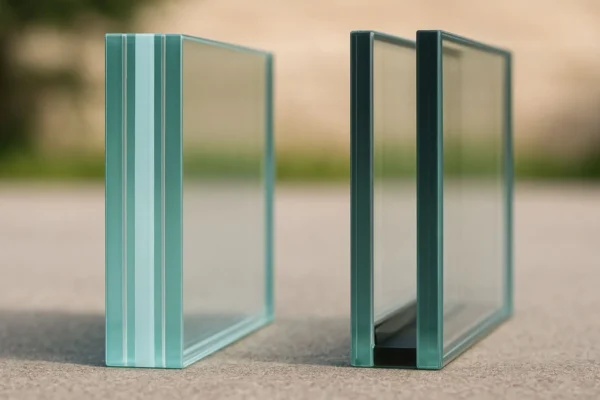
European wooden windows are designed for these exact conditions. They typically feature:
Rather than focusing only on center-of-glass values, European systems are engineered for whole-window performance. This results in lower heat loss, reduced drafts, and improved indoor comfort—especially noticeable during long Canadian winters.
Longevity and Lifecycle Cost
Initial price is often the first concern clients raise. European wooden windows usually cost more upfront than mass-produced local alternatives. However, focusing only on purchase price ignores the real cost of ownership.
When you factor in:
European wooden windows often become the more economical choice over 30–40 years. Many homeowners are surprised to learn that replacing cheaper windows twice can cost significantly more than installing premium windows once.
Aesthetic and Architectural Value
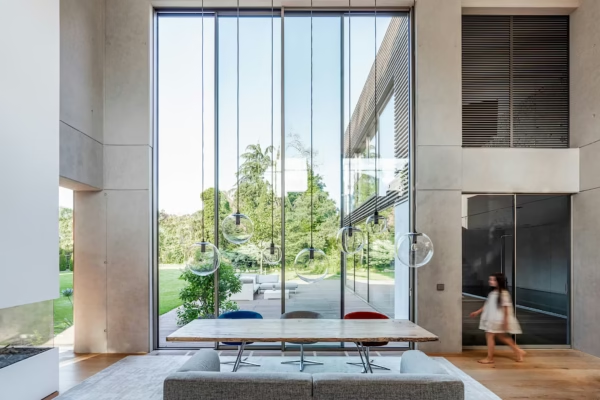
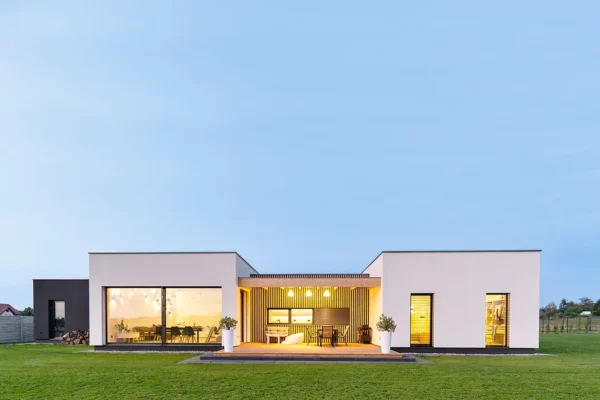
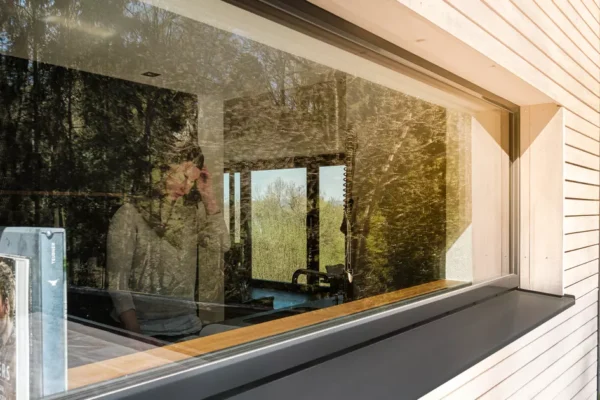
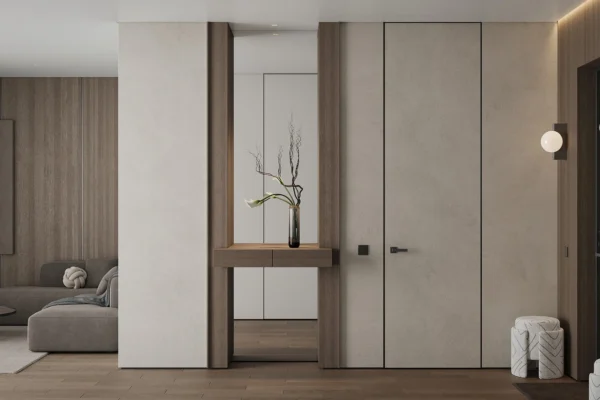
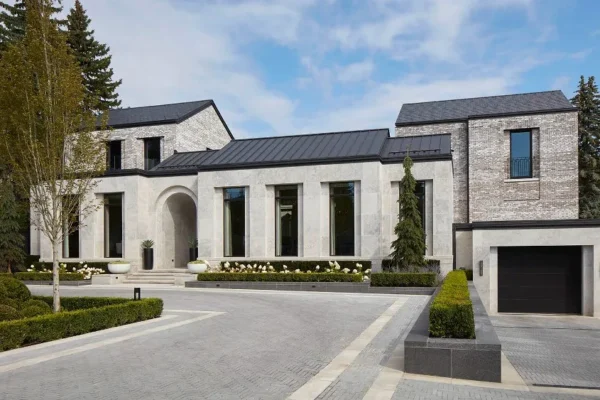
Beyond performance, European wooden windows offer a level of visual quality that is difficult to replicate. Slim profiles, natural textures, and custom finishes allow these windows to integrate seamlessly into both traditional and contemporary architecture.
For custom homes, renovations, or architect-designed projects, this aesthetic flexibility is often a decisive factor.
Why European Origin Matters
Not all wooden windows are created equal. “European-style” is not the same as European-made.
True European windows are manufactured under:
This is why origin matters. It is not about prestige—it is about predictable quality.
Conclusion: A Professional Recommendation
When clients ask me whether European wooden windows are worth it in Canada, my answer is straightforward: if you value long-term performance, comfort, and architectural integrity, the answer is yes.
European wooden windows outperform local alternatives because they are engineered differently, built to higher standards, and designed for the full lifecycle of a building—not just the initial sale.
They are not the right choice for every project. But for homeowners who see windows as an investment rather than an expense, European wooden windows remain the benchmark.
Let’s work together to create something that’s not just made — but made for you.
Contact us today for expert advice, custom configurations, or a free quote.